
Bookings for summer 2026 opened earlier and stronger than 2025. Charter agents in our partner network were confirming July peak weeks in January — the earliest we have seen since 2019. Three trends define the season.
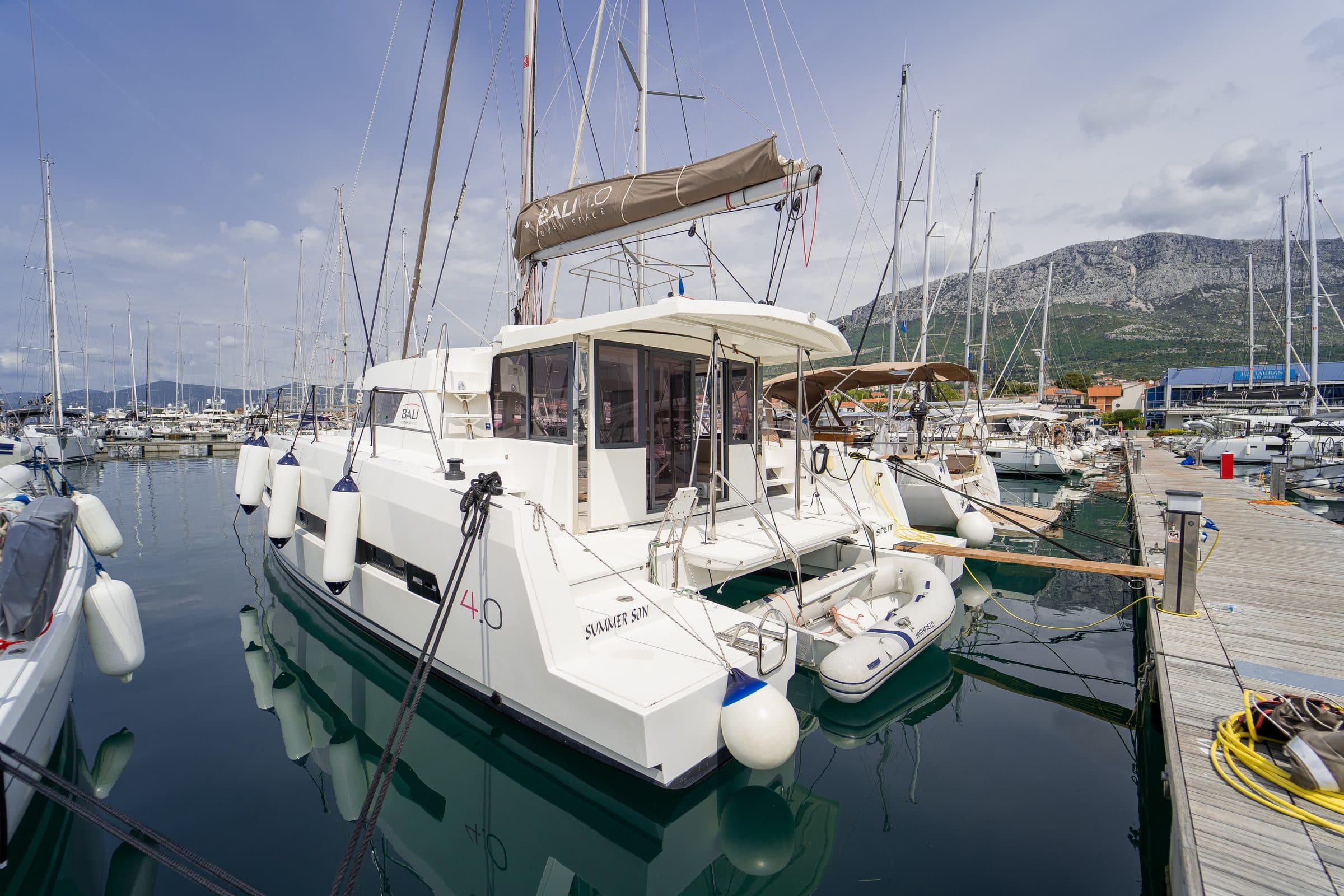
Geographic rebalancing. Demand is moving east. The Costa Smeralda is still the most-requested anchorage in our books, but the shoulder months of June and September are tilting toward Croatia and Turkey. ACI Marina Split bookings are up 22% year-on-year; Fethiye and Marmaris are out of berthing in peak weeks by April. Owners with shallow-draft sailing yachts and catamarans are best positioned to capture this — our 2018 Bali 4.0 in Split is booked nine weeks for 2026 already.
Weekly rates. Gross weekly rates are up 6–8% year-on-year in the 50–80 foot motor segment, flat for monohull sailing yachts, and up 11% for catamarans 12–18 metres. Provisioning costs (the line item most owners ignore) are up roughly 14% in Sardinia and the Côte d'Azur and only 4% in Croatia — Croatian charter operations are now meaningfully cheaper to run per week.
Operational cost pressure. Crew wages have risen 8–12% across the Mediterranean since 2023. Fuel is flat in nominal euros but harder to plan around because of season-specific spikes (Sardinia in mid-August, Cannes during the show). The combination puts pressure on the 24–35 metre motor-yacht owner who self-charters six to eight weeks — that owner is the one most likely to call us about full charter-management this winter.
Recommendation. If you own a 14–18 metre catamaran or a 22–30 metre flybridge motor yacht, the 2026 season is a strong window to enter the managed-charter market. The economics are not the same as private ownership-only — you give up half your prime weeks and accept the wear — but a well-managed yacht in this profile generates €180,000–€350,000 in gross weekly fees over 14–18 charter weeks. Speak to us before March if you want a season plan that actually maps to the booking calendar.
Caveat. Charter is a part-funding model, not a profit centre. Anyone telling you a yacht "pays for itself" is selling a story, not a P&L. Properly managed, charter offsets 40–70% of operating costs in our experience — which is meaningful but not transformative. Build the financial plan around private ownership first; treat charter income as a partial subsidy on top.
Continue reading
All journal entries