
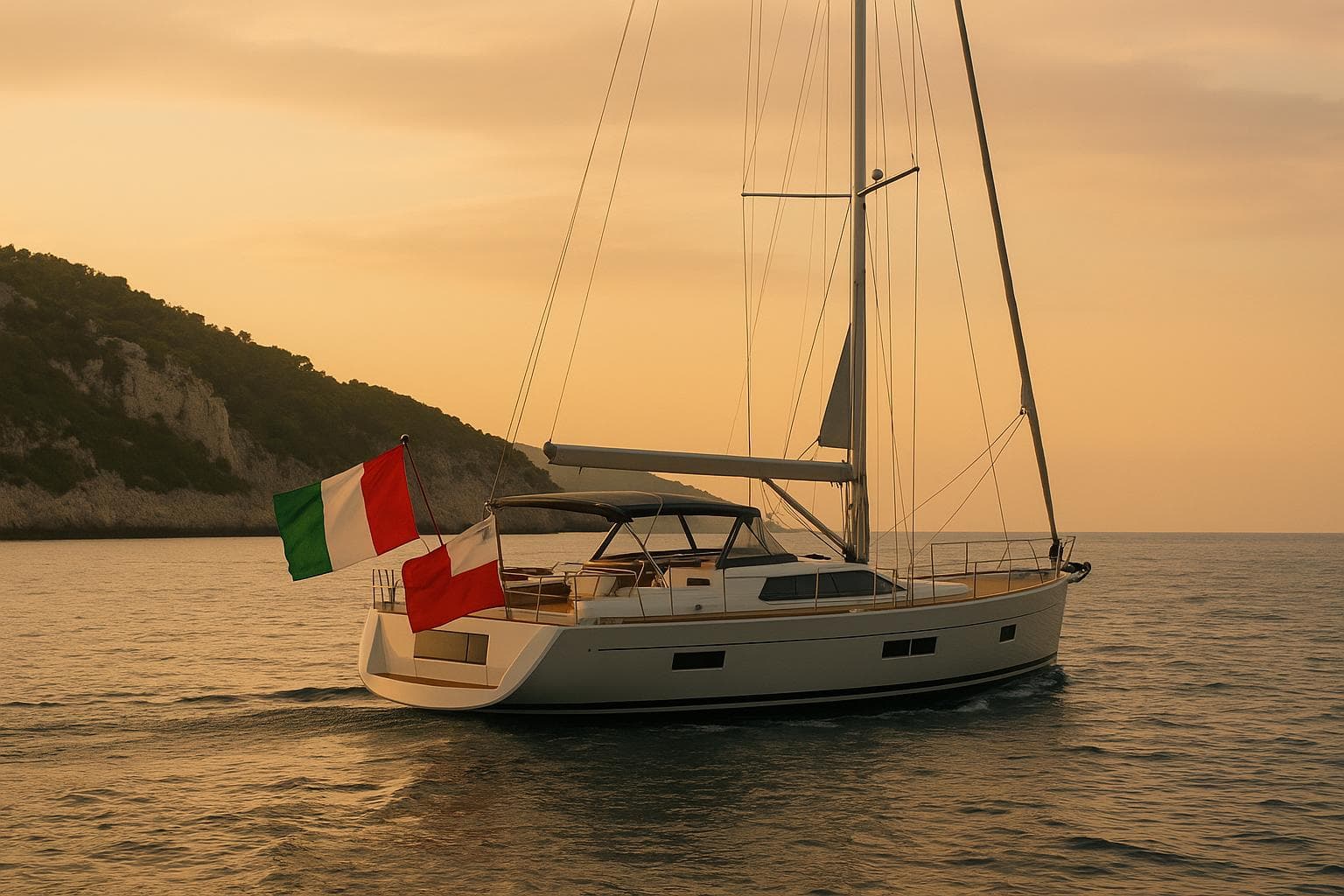
In 2022, Malta recorded a staggering 12,000 yacht registrations, making it one of the most popular flags for yacht owners in the Mediterranean. For those considering yacht ownership, the choice between the Italian flag and the Maltese flag is often a pivotal one, impacting everything from registration fees to tax obligations.
Italy, with its extensive coastline and renowned marinas like Porto Cervo and Marina di Stabia, offers a rich maritime culture. However, Italian regulations can be notoriously complex. For instance, the Italian flag imposes a tax on yacht ownership — known as the "Imposta di Registro" — which can range from 2% to 15% of the yacht's value, depending on its age and size. This can add a significant cost to yacht ownership, especially for high-value vessels.
On the other hand, Malta is known for its favorable tax regime. A yacht registered under the Maltese flag benefits from a tonnage tax system that can be quite advantageous for commercial yacht operations. The tax rate is linked to the size of the yacht, generally resulting in lower overall costs compared to Italy. For example, a 24-meter yacht could expect to pay around €1,000 annually in tonnage tax, compared to potentially thousands more under Italian regulations.
Moreover, the process of registration is often quicker and more straightforward in Malta. The Maltese Maritime Authority is known for its efficiency, allowing yacht owners to complete the registration process in as little as three to four weeks. In contrast, registering a yacht in Italy can take significantly longer, often dragging on for several months due to bureaucratic hurdles.
Marina availability also plays a crucial role in this decision. While Italian marinas are world-renowned, the costs associated with berthing can be steep, especially during peak weeks in places like the Costa Smeralda. Conversely, Maltese marinas, such as those in Valletta and Mgarr, offer competitive pricing and availability, which can be a deciding factor for owners planning to spend significant time on the water.
Insurance considerations are often overlooked, but they can also vary between the two flags. Maltese-flagged yachts may experience lower insurance premiums due to the favorable regulatory environment, while Italian-flagged yachts could face higher rates, particularly for commercial use.
Ultimately, the decision often comes down to the owner's specific needs. If your intention is leisure cruising along the Amalfi Coast or the Sicilian shores, the Italian flag might suit your lifestyle. However, if you're considering chartering or commercial operations, the Maltese flag's tax advantages could save you significant sums over time.
In conclusion, both flags have their merits, but understanding the nuances can save you money and hassle. Whether you lean towards the Italian flag for its cultural allure or the Maltese flag for its financial benefits, it's critical to consider your individual circumstances carefully.
Continue reading
All journal entries