
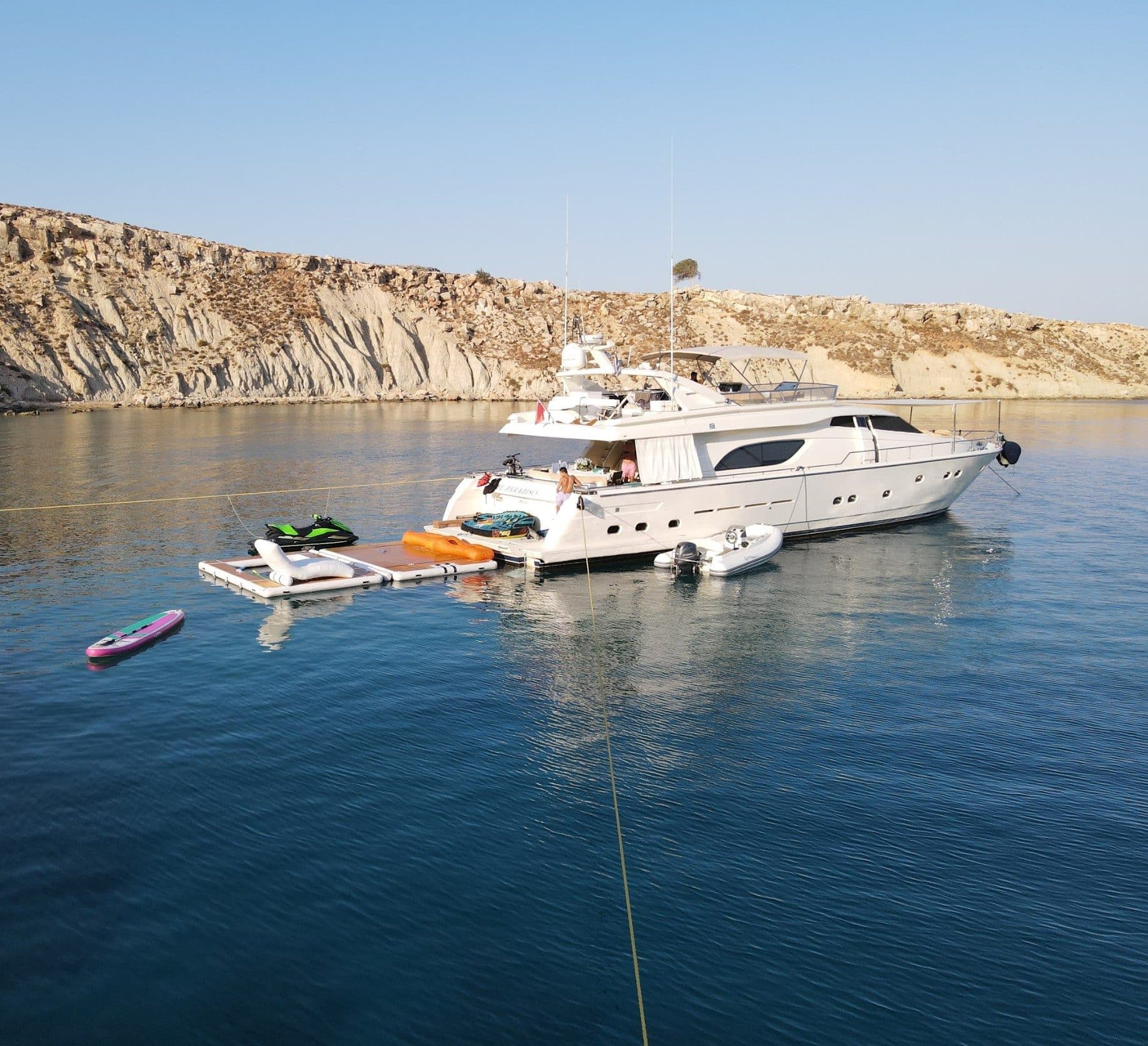
Tre yacht su quattro che elenchiamo questa stagione verranno venduti prima di settembre. La maggior parte di essi sarà acquistata da acquirenti di yacht italiani per la prima volta — proprietari che hanno già uno scafo altrove, ma desiderano una base mediterranea a Olbia, Cala Galera o nella Baia di Kotor. Ecco come di solito si presentano le loro prossime otto settimane, raccontato dalla scrivania dove la documentazione effettivamente passa.
Scegli il profilo di crociera, non lo scafo. Prima di innamorarti di un Ferretti 80, rispondi a due domande: quante settimane all'anno sarai a bordo e quante di quelle settimane saranno a bordo anche i familiari? Una coppia che naviga otto settimane all'anno acquista uno yacht diverso da una famiglia di cinque persone che trascorre luglio e agosto in Sardegna. Abbiamo avuto acquirenti che hanno sprecato sei mesi a inseguire il segmento sbagliato perché si sono innamorati di uno scafo durante una fiera nautica prima di avere questa conversazione.
Bandiera e IVA. L'IVA italiana (22%) si applica sugli yacht consegnati e utilizzati in Italia, con eccezioni per operazioni di charter e leasing a breve termine sotto determinate strutture a bandiera maltese. Lo "schema di leasing italiano" era una soluzione standard; la maggior parte degli acquirenti ora opta per la registrazione diretta maltese con lo yacht basato in Italia. Prevedi di spendere €4.000–€8.000 per consulenze fiscali prima di firmare — si ripaga da sola.
La perizia. Commissiona sempre un perito indipendente, non uno raccomandato dal broker di listing (inclusi noi). Una perizia pre-acquisto per uno yacht di 15–24 metri costa €3.000–€5.000 e richiede due giorni; per un'imbarcazione di oltre 24 metri raddoppia entrambi. Un perito che segnala €12.000 di lavoro di follow-up sta facendo il suo lavoro; uno che ti consegna un rapporto pulito su uno scafo di 20 anni probabilmente non lo sta facendo.
Memorandum of Agreement. Il MoA struttura l'offerta soggetta a perizia e prova in mare. La prassi standard prevede un deposito del 10% in un conto escrow di un avvocato marittimo, rimborsabile se la perizia viene rifiutata. La chiusura avviene da due a quattro settimane dopo la perizia, a seconda delle modifiche di bandiera e degli accordi bancari.
Chiusura e le chiavi. Nel giorno della chiusura, il capitano dell'acquirente prende possesso, il broker consegna le chiavi, l'avvocato archivia la Bill of Sale e il registro emette nuovi documenti entro due settimane. Poi inizia il vero lavoro: approvvigionamento, equipaggio, assicurazione e la prima crociera.
Punti chiave: prevedi €4–8K per consulenze fiscali, €3–8K per una perizia indipendente e pianifica quattro-otto settimane tra l'offerta e le chiavi. Tratta il broker (qualsiasi broker) come la tua guida, non come il tuo decisore — la domanda sul profilo di crociera sopra è l'unica decisione che conta davvero.
Continua a leggere
Tutti gli articoli del journal